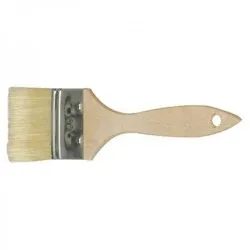
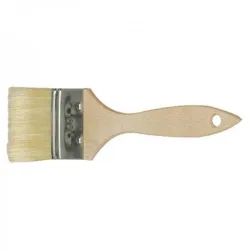
Professional kitchen brushes are indispensable in patisseries, bakeries and restaurant kitchens — their apparent simplicity hides the fact that with the right brush and the right technique, an even, professional coating can be achieved, improving both the appearance and taste of the final product. The choice of material (natural, silicone or nylon) is the key decision depending on the product to be applied and hygiene requirements.
Types and materials of kitchen brushes
Professional kitchen brushes are available in various materials, each with specific advantages. Silicone brushes are hygienic, easy to clean in a dishwasher, do not absorb flavours or odours, and do not shed bristles into the product; a modern standard in professional kitchens and patisseries. Natural bristle (pork) brushes are traditional pastry brushes with good liquid retention and an even application effect; suitable for egg wash and oil application, but harder to disinfect. Nylon bristle brushes are synthetic, offering a middle ground between silicone and natural bristles; good liquid retention with better hygiene than natural bristles. Wide-bristle brushes are for even glaze or butter application on large surfaces. Pointed-tip brushes are for precise application on intricate shapes or details. Also explore confectionery spatulas, paddles.
Sizes and handle length
The choice of kitchen brush size depends on the application task and the size of the product. Small brushes (2–4 cm width) are for precise application on small products, decorative work and glaze detail application. Medium brushes (4–6 cm) are versatile for egg wash application on croissants, sweet buns and standard confectionery products. Wide brushes (6–10 cm) are for even application on sponge surfaces or large dough areas. Handle length — a shorter handle provides better control for precise work; a longer handle offers more comfort when working on large surfaces. Also explore silicone mats.
Hygiene and HACCP compliance
Kitchen brush hygiene is critical for food safety in patisseries and bakeries. Silicone brushes are the most recommended in terms of hygiene; easy to clean in a dishwasher, they do not harbour bacteria in micropores and do not retain food flavours. Natural bristle brushes must be washed immediately after use with warm water and detergent; they must be completely dried before storage. Storage — brushes should be stored in a clean, dry place with bristles facing up or hung to prevent moisture build-up in the bristles. Damaged brushes — brushes with loose bristles or damaged handles must be replaced, as loose bristles can end up in food. Regular disinfection ensures a HACCP-compliant state in the food preparation environment.
HoReCa use scenarios
Croissant and Viennese pastry bakery — a silicone brush for applying egg wash to croissant surfaces before baking ensures an even, golden finish. Cake patisserie — a wide silicone brush for butter application between sponge layers in multi-layered cakes. Restaurant kitchen — a kitchen brush for oil application on grill pans, meat or vegetables before frying. Bakery with a variety of bread types — brushes of different sizes for different bread surfaces.
Frequently asked questions
Is a silicone brush better than a natural bristle brush? In terms of hygiene — yes, silicone brushes are easier to disinfect and clean. For traditionalists — natural bristle brushes absorb and apply egg wash better. Contact BHS. Also explore pastry moulds.
Can silicone brushes be washed in a dishwasher? Yes — silicone brushes can generally be washed in a dishwasher without issues. Also explore whisks.
Why choose BHS?
BHS – Baltic HoReCa Solutions supplies professional equipment for restaurants, cafés, hotels and canteens: more than 20,000 products from many manufacturers. Our specialists help you choose the right equipment and spare parts for your kitchen or bar.
Delivery
We deliver across the European Union. Delivery time and cost depend on the order volume and destination — contact the BHS team for an exact price and lead time.