

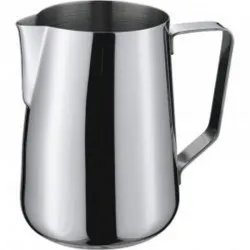
Article number: 372035
A stainless steel milk and cream jug built for baristas to steam, texture and pour milk with control..
Is available
5.67€
with VAT: 6.86€
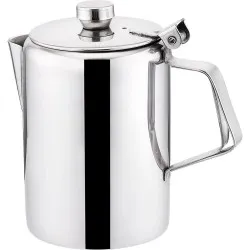
Article number: 373051
A stainless steel milk and cream jug built for baristas, this 0.5 litre pitcher allows controlled po..
Is available
6.30€
with VAT: 7.62€
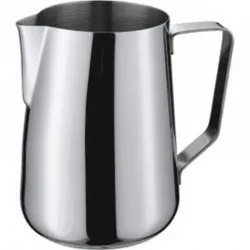
Article number: 372060
A stainless steel milk and cream jug built for baristas to steam, texture and pour milk with control..
Is available
7.88€
with VAT: 9.53€
Article number: 373101
A stainless steel milk and cream jug built for baristas who need consistent, controlled pouring for ..
Is available
10.08€
with VAT: 12.20€
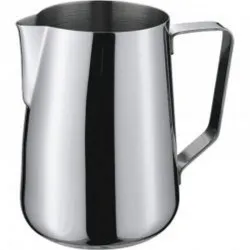
Article number: 372100
A stainless steel milk and cream jug built for baristas who need consistent, controlled pouring when..
Is available
10.71€
with VAT: 12.96€
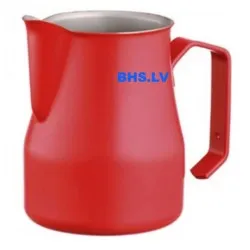
Article number: L1224922
A metal jug designed for precise measurement of small liquid quantities in professional kitchens. Th..
Is available
12.99€
with VAT: 15.72€
Article number: 373151
A stainless steel milk and cream jug built for baristas who need consistent, controlled pouring for ..
Is available
13.49€
with VAT: 16.32€
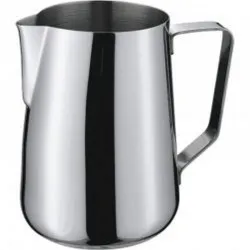
Article number: 372150
A stainless steel milk and cream jug designed for baristas to steam, froth and pour milk with precis..
Is available
14.18€
with VAT: 17.16€
Article number: 373201
A stainless steel milk and cream jug designed for professional baristas, this 1.9 litre pitcher allo..
Is available
15.12€
with VAT: 18.30€
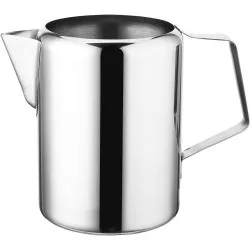
Article number: 371200
A stainless steel milk and cream jug built for baristas to steam, texture and pour milk with control..
Is available
16.13€
with VAT: 19.52€
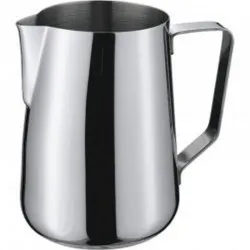
Article number: 372200
A stainless steel milk and cream jug holds and pours steamed milk or cream with precision, letting b..
Is available
17.64€
with VAT: 21.34€
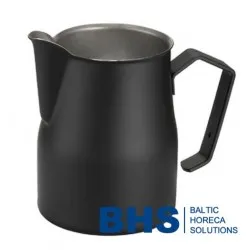
Article number: L2377505
A metal jug transfers liquids without spilling, using a narrow spout that directs the flow and a bro..
Is available
27.99€
with VAT: 33.87€
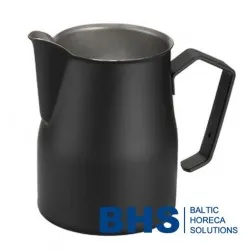
Article number: L0604221
A metal jug holds liquids securely on the worktop, whether for pouring hot stock, cold dressings or ..
Is available
29.99€
with VAT: 36.29€
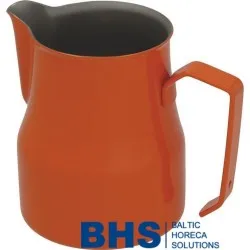
Article number: L0704221
A 500 ml metal jug in bright orange, designed for quick and accurate liquid measurement in professio..
Is available
29.99€
with VAT: 36.29€
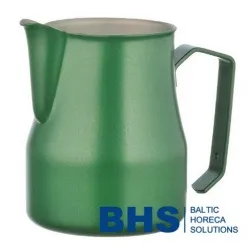
Article number: L1704221
A metal jug designed for precise liquid handling in professional kitchens, this 500 ml vessel combin..
Is available
29.99€
with VAT: 36.29€
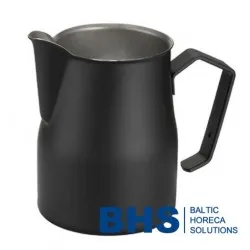
Article number: L1604221
A metal jug holds liquids ready for portioning, pouring or decanting without spills or drips. The sm..
Is available
35.99€
with VAT: 43.55€
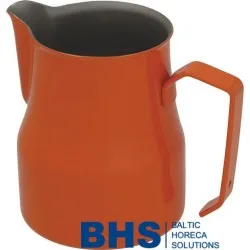
Article number: L3704221
A metal jug in bright orange holds 750 ml of liquid for professional kitchens. The colour stands out..
Is available
35.99€
with VAT: 43.55€