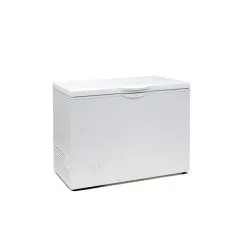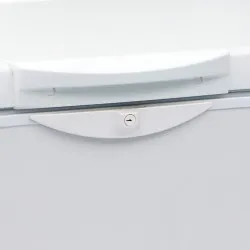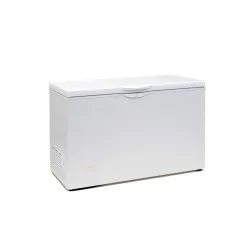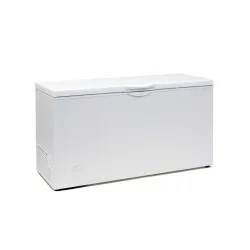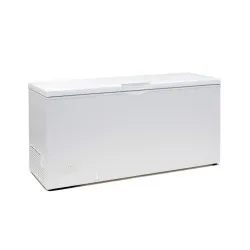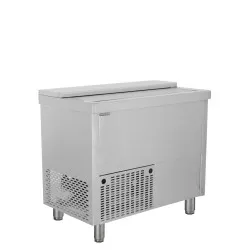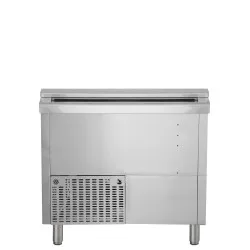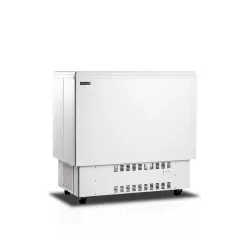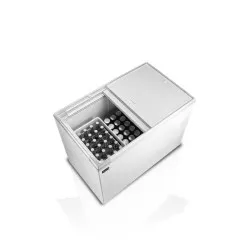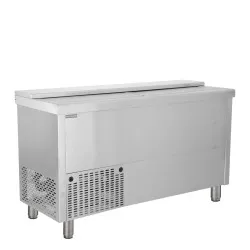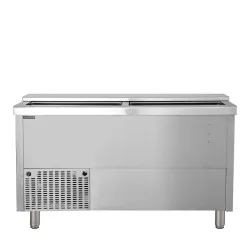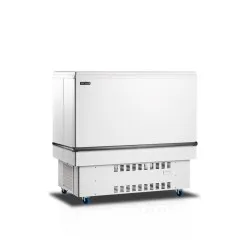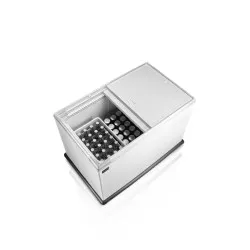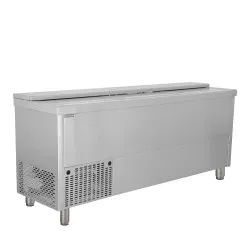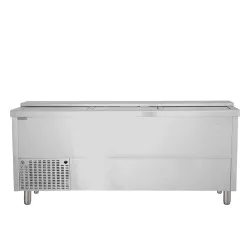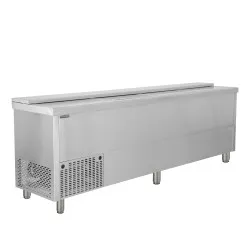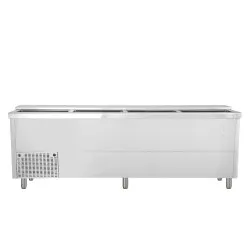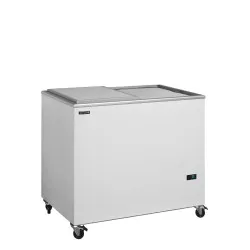
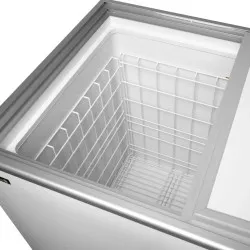
Chest Refrigerator — BHS offers professional horizontal freezing solutions to restaurants, cafés, hotels, canteens, food production facilities, stores and other HoReCa businesses: a chest refrigerator, or horizontal freezer, is cold equipment with top-mounted doors or sliding lids that provides large storage capacity in a compact footprint; freezer chests are suitable for storing frozen products at temperatures from -18°C to -22°C and are a popular solution in spaces with limited height or for storing large volumes of products; BHS offers freezing chests along with a wide range of refrigerators and kitchen refrigerators to HoReCa businesses — contact BHS for a consultation.
Also explore refrigerator shelves, baskets and accessories and kitchen refrigerated display cases as additional cold equipment solutions — BHS provides a full range of cold equipment to HoReCa businesses across Europe.
A Chest Refrigerator — a horizontal freezer chest is a cold storage unit with high energy-efficient capacity: the horizontal orientation retains cold air more effectively than vertical refrigerators, as the cold does not spill out when the lid is opened; this means lower energy consumption and stable temperatures for stored products in HoReCa businesses.
Chest refrigerator — construction and temperature range
Chest Refrigerator — a freezing chest is characterised by a wide horizontal body and a lid or sliding panel on top. Temperature range — freezing chests maintain -18°C to -22°C; this temperature complies with the frozen food standard; some models reach -25°C for deep freezing. Sliding glass lids — sliding glass lids on commercial chests allow the contents to be seen without opening; identifying stored products is faster; energy loss is lower than with full opening. Solid lids for storage chests — storage chests (non-display) usually have opaque lids with better thermal insulation; suitable for kitchen food stocks, not for retail; see refrigerators. Capacity range — freezing chests are available from 100 to over 1000 litres; large-capacity chests are ideal for storing large volumes of products.
Freezing chest vs vertical freezer
Chest Refrigerator — the choice between a horizontal chest and a vertical freezer depends on storage needs and space conditions. Energy efficiency — a horizontal chest is more energy-efficient because cold air remains inside when opened; a vertical freezer releases cold air when the door is opened. Accessibility — a vertical freezer is more convenient for retrieving products, as there is no need to reach over the chest edge; deep products in large storage chests are difficult to access; see kitchen refrigerator. Space requirements — a chest requires more floor space but less height; suitable for low-ceiling spaces; a vertical freezer is more width-efficient. Large-volume storage — large chests accommodate bulky food boxes or large frozen meat pieces that do not fit in a vertical freezer; see refrigerator shelves, baskets and accessories.
HACCP requirements and storage temperature control
Chest Refrigerator — for HACCP compliance, a freezer must maintain a stable temperature of -18°C or lower; temperature monitoring is mandatory. Thermometer and temperature logging — HACCP requires regular temperature logging; many professional models have a built-in digital thermometer with an alarm; some feature automatic data logging. Risk of freezing chain interruption — if the chest temperature rises above -12°C, products are considered compromised under HACCP requirements; monitoring prevents major product losses. Chest cleaning — regular defrosting is necessary for models without automatic defrost; ice buildup reduces efficiency and increases energy consumption; see kitchen refrigerated display case. Overheating protection — in rooms with high ambient temperatures (above 32°C), choose an A+ or higher energy class chest.
Chest refrigerator in HoReCa applications
Chest Refrigerator — freezing chests are a popular solution in various HoReCa and food storage locations. For restaurant or canteen frozen product stocks — a large chest for storing frozen meat, fish, vegetables and prepared desserts; capacity allows storing a week or two’s supply without frequent deliveries. Café with ice cream offerings — in an ice cream or dondurma café, a chest with sliding glass lids also serves as a retail unit on the customer side. Food production or processing facility — a large-capacity horizontal chest in a production area stores large quantities of food between shifts; see refrigerator.
Frequently asked questions
Does a freezing chest require special ventilation in the room? Chest Refrigerator — a freezing chest releases heat from the condenser; it is best installed in a place with good air circulation; leave at least 10–15 cm clearance at the back or sides for ventilation; in a warm room (above 25°C), the chest’s efficiency decreases; contact BHS for installation advice; see kitchen refrigerator.
How often should a chest refrigerator be defrosted? Chest Refrigerator — for models without automatic defrost, defrosting is recommended every 3–6 months or when an ice layer becomes visible; automatic defrost models handle this independently; regular defrosting maintains efficiency; see refrigerator shelves, baskets and accessories.
Why choose BHS?
BHS – Baltic HoReCa Solutions supplies professional equipment for restaurants, cafés, hotels and canteens: more than 20,000 products from many manufacturers. Our specialists help you choose the right equipment and spare parts for your kitchen or bar.
Delivery
We deliver across the European Union. Delivery time and cost depend on the order volume and destination — contact the BHS team for an exact price and lead time.