

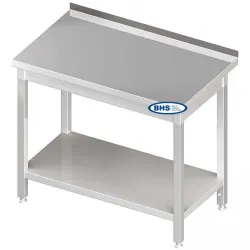
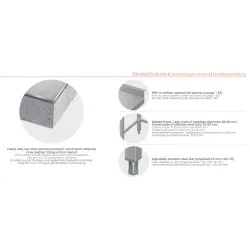
Article number: BHS-PLV-40/60/90
A stainless steel worktable with a single shelf provides a hygienic, organised surface for food prep..
Is available
269.10€
with VAT: 325.61€
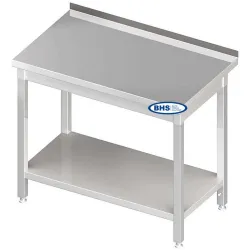
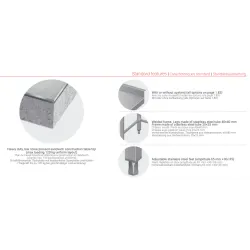
Article number: BHS-PLV-50/60/90
A stainless steel worktable with a single shelf provides a hygienic, durable surface for food prepar..
Is available
282.60€
with VAT: 341.95€
Article number: BHS-PLV-60/60/90
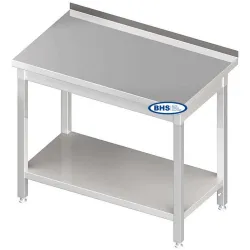
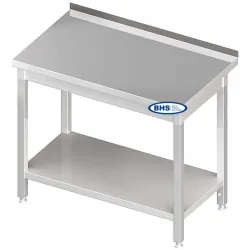
A stainless steel worktable with a single under-shelf gives a professional kitchen a solid, hygienic..
Is available
292.50€
with VAT: 353.93€
Article number: BHS-PLV-70/60/90
A stainless steel worktable with an undershelf provides a rigid, hygienic surface for food preparati..
Is available
304.20€
with VAT: 368.08€
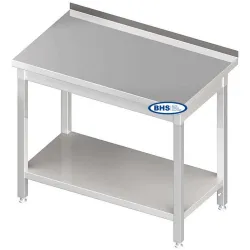
Article number: BHS-PLV-80/60/90
A stainless steel worktable with a lower shelf provides a rigid, hygienic surface for food preparati..
Is available
314.10€
with VAT: 380.06€
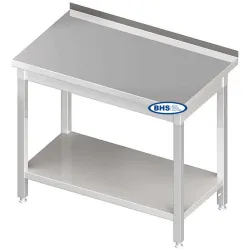
Article number: BHS-PLV-90/60/90
A stainless steel worktable with a single shelf provides a hygienic, stable surface for food prepara..
Is available
327.60€
with VAT: 396.40€
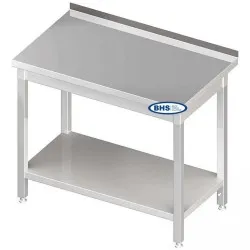
Article number: BHS-PLV-100/60/90
A stainless-steel worktable with a single under-shelf provides a hygienic, rigid surface for food pr..
Is available
338.40€
with VAT: 409.46€
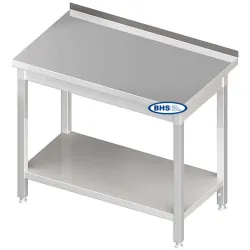
Article number: BHS-PLV-110/60/90
A stainless steel worktable with a lower shelf provides a stable, hygienic surface for food preparat..
Is available
353.70€
with VAT: 427.98€
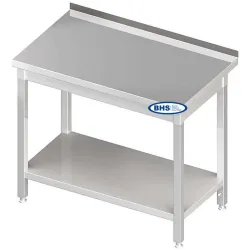
Article number: BHS-PLV-1200/60/90
A stainless steel worktable with a single shelf provides a hygienic, rigid surface for food preparat..
Is available
366.30€
with VAT: 443.22€
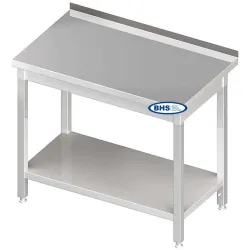
Article number: BHS-PLV-1300/60/90
A stainless steel worktable with a single shelf provides a hygienic, rigid surface for food preparat..
Is available
384.30€
with VAT: 465.00€
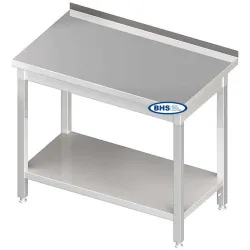
Article number: BHS-PLV-1400/60/90
A stainless steel worktable with a lower shelf provides a rigid, hygienic surface for food preparati..
Is available
393.30€
with VAT: 475.89€
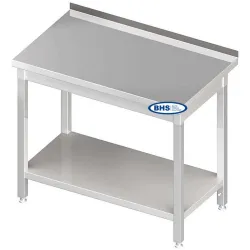
Article number: BHS-PLV-1500/60/90
This stainless steel work table features a single shelf, offering a robust and hygienic workspace fo..
Is available
407.70€
with VAT: 493.32€
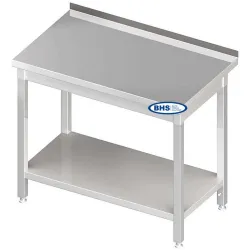
Article number: BHS-PLV-1600/60/90
A stainless steel worktable with a single shelf provides a solid, hygienic surface for food preparat..
Is available
420.30€
with VAT: 508.56€
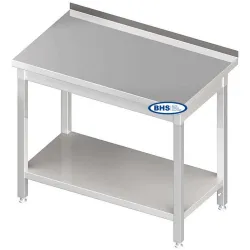
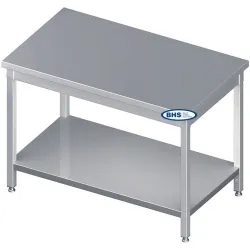
Article number: BHS-PLV-170/60/90
A solid worktable with an under-shelf provides organised workspace and storage in one unit. The flat..
Is available
432.00€
with VAT: 522.72€
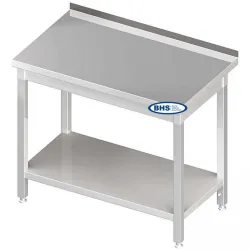
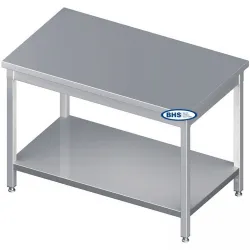
Article number: BHS-PRV-180/60/90
A stainless steel worktable with an under-shelf provides a stable, hygienic surface for food prepara..
Is available
446.00€
with VAT: 539.66€
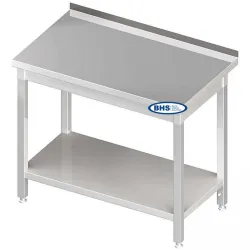
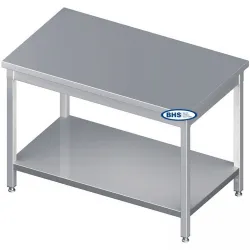
Article number: BHS-PRV-190/60/90
A stainless steel worktable with an under-shelf provides a stable, hygienic surface for food prepara..
Is available
460.60€
with VAT: 557.33€
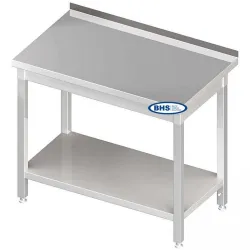
Article number: BHS-PLV-200/60/90
A stainless steel worktable with a lower shelf provides a stable, hygienic surface for food preparat..
Is available
472.00€
with VAT: 571.12€
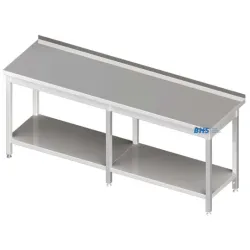
Article number: BHS-PLV-210/60/90
A stainless steel worktable with a lower shelf provides a stable, hygienic surface for food preparat..
Is available
556.20€
with VAT: 673.00€
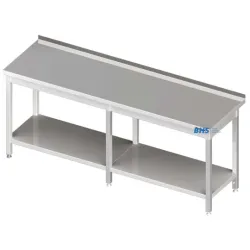
Article number: BHS-PLV-220/60/90
A stainless steel worktable with a single shelf provides a hygienic, stable surface for food prepara..
Is available
569.70€
with VAT: 689.34€
Article number: BHS-PLV-230/60/90
A stainless steel worktable with shelf provides a hygienic, hard-wearing surface for food preparatio..
Is available
584.10€
with VAT: 706.76€
Article number: BHS-PLV-240/60/90
A stainless steel work table with a lower shelf provides a stable, hygienic surface for food prepara..
Is available
595.80€
with VAT: 720.92€
Article number: BHS-PLV-250/60/90
This stainless steel work table features an under-shelf, offering a robust and hygienic surface for ..
Is available
610.20€
with VAT: 738.34€
Article number: BHS-PLV-260/60/90
A stainless steel work table with a single undershelf provides a hygienic, organised surface for foo..
Is available
621.00€
with VAT: 751.41€
Article number: BHS-PLV-270/60/90
A stainless steel worktable with an under-shelf provides a hygienic, durable surface for food prepar..
Is available
635.40€
with VAT: 768.83€
Article number: BHS-PLV-280/60/90
This stainless steel worktable includes a lower shelf, offering a sturdy and hygienic surface for fo..
Is available
649.80€
with VAT: 786.26€
Article number: BHS-PLV-290/60/90
A stainless steel worktable with an under-shelf provides a hygienic, hard-wearing surface for food p..
Is available
1,149.00€
with VAT: 1,390.29€
Article number: BHS-PLV-300/60/90
This stainless steel table includes a lower shelf, offering a sturdy and hygienic surface for tasks ..
Is available
1,167.00€
with VAT: 1,412.07€
Article number: BHS-PLV-310/60/90
A stainless steel worktable provides a hygienic, durable surface for food preparation, plating and k..
Is available
1,186.00€
with VAT: 1,435.06€
Article number: BHS-PLV-320/60/90
A stainless steel worktable with an under-shelf provides a solid, hygienic surface for food preparat..
Is available
1,206.00€
with VAT: 1,459.26€
Article number: BHS-PLV-330/60/90
A stainless steel worktable with shelf provides a solid, hygienic surface for food preparation, plat..
Is available
1,220.00€
with VAT: 1,476.20€
Article number: BHS-PLV-340/60/90
A stainless steel worktable with an under-shelf provides a solid, hygienic surface for food preparat..
Is available
1,240.00€
with VAT: 1,500.40€
Article number: BHS-PLV-350/60/90
This stainless steel worktable includes an under-shelf, combining a robust work surface with practic..
Is available
1,260.00€
with VAT: 1,524.60€