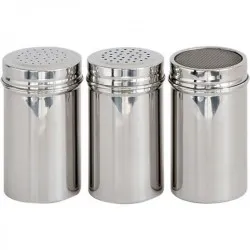
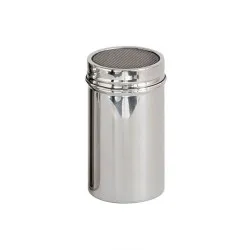
The choice of sugar bowl can emphasise the establishment's style — from a classic metal or ceramic sugar dispenser with a lid to modern open bowls with sugar cubes. Table-setting details matter in creating the overall first impression for guests, and the quality of the sugar bowl reflects the establishment's attention to detail. In cafés and restaurants, the sugar bowl is one of those small items that customers notice even when they are not consciously aware of it.
Types of sugar bowls by design
Traditional closed sugar dispensers with a lid protect sugar from moisture, dust and air pollution. Suitable for restaurants with longer table service, where the sugar dispenser remains on the table for extended periods between customer changes. The closed lid ensures that sugar stays dry and clean even in humid environments.
Open sugar bowls with sugar cubes are an aesthetic option for cafés and bars where customers serve themselves using tongs. The transparent bowl allows easy stock control and visual cleanliness checks. Sugar cube bowls are often made from stainless steel or tempered glass.
Sugar packet holders are designed for portioned sugar — convenient for restaurants and cafés that use pre-packaged sugar from standardised sachets. This format is more hygienic and simplifies portion control.
Materials
Stainless steel sugar bowls are the most durable and easiest to disinfect — ideal for high-traffic bars and cafés. The steel surface meets sanitary standards and maintains its appearance without scratches over time. Stainless steel sugar dispensers are often available in matching sets with other table accessories — spice dishes and napkin holders.
Ceramic and porcelain sugar bowls are suitable for premium restaurants and cafés where table aesthetics are a priority. Ceramic is heavier and less resistant to physical impact, but it adds elegance to the table that metal cannot achieve.
Glass sugar bowls are a versatile solution — the transparent material allows visibility of the sugar type and quantity, simplifying refills and cleanliness checks. Glass is easy to clean and neutral with food products.
Dispensers and automatic sugar dispensers
Sugar dispensers are a more hygienic option for quick-service and self-service establishments. Pressing a button or turning a knob dispenses a precise sugar portion, reducing contact with sugar. Particularly useful in cafés and bistros where customers prepare their own beverages.
Maintenance and cleaning
Sugar bowls must be refilled regularly and washed at least once a day — sugar attracts moisture and can harden or become unclean. For closed sugar dispensers, the lid mechanism and seal should also be checked. A routine where sugar bowls are not cleaned creates an unappealing appearance that leaves a negative impression on customers.
The sugar bowl in coffee culture context
Serving coffee with a sugar bowl on the table is standard HoReCa practice — even for customers who do not take sugar with their coffee, the presence of a sugar bowl creates a positive impression of the establishment's attention to detail. In cafés and restaurants, a sugar bowl on the table is as expected as a napkin or ashtray — customers anticipate it and notice its absence.
Style and interior coordination
The design of the sugar bowl should match the restaurant's overall table-setting concept. In an elegant restaurant with white tablecloths and metal table accessories, a silver or matte steel sugar dispenser would be more appropriate. In a rustic or eco-style café, a ceramic or wooden sugar bowl would be a better fit. Style consistency among all table elements — sugar bowls, napkin holders and spice dishes — creates a harmonious overall impression.
Sets and unified table accessory style
Restaurants and cafés often purchase sugar dispensers together with napkin holders and spice dishes as a set to ensure a consistent style across all tables. Purchasing sets is both cost-effective and ensures visual uniformity throughout the dining area. In the future, individual elements from the same set can be added or replaced for tables.
Sugar types and suitable bowls
Different sugar types require different bowls: granulated white sugar is sensitive to moisture, so a closed sugar dispenser with a hermetic lid is ideal. Sugar cubes require an open bowl with tongs. Brown sugar crystals are popular in premium cafés and are available in both granulated and pre-packaged portions. In a quality café, the choice of sugar and its presentation are part of the product concept.
Hygiene requirements for table accessories
Sugar bowls that come into direct contact with food — sugar — must be maintained at a high hygiene level. Staff should remember to clean the inside of the bowl and openings regularly, as sugar in a humid environment can create conditions for bacterial growth. HACCP principles also apply to table accessories that come into contact with food, so sugar bowls must not be left uncleaned for more than one working day.
Planning and inventory tracking
A café with many tables requires an adequate number of sugar dispensers — usually one per table and additional stock for rotation. Regular refilling is the staff's responsibility and should be part of the table preparation routine. Frequently used tables may require more frequent refills — for bar counters or self-service areas, this is even more important.
Sugar bowls for outdoor service
Outdoor cafés and restaurants require particularly durable sugar dispensers that can withstand wind and moisture. Heavy, stable sugar bowls with a wide base are a better choice for outdoor use, as they do not topple in light gusts. During the outdoor season, the design of the sugar dispenser should be evaluated to ensure it is suitable for public outdoor spaces.
Why choose BHS?
BHS – Baltic HoReCa Solutions supplies professional equipment for restaurants, cafés, hotels and canteens: more than 20,000 products from many manufacturers. Our specialists help you choose the right equipment and spare parts for your kitchen or bar.
Delivery
We deliver across the European Union. Delivery time and cost depend on the order volume and destination — contact the BHS team for an exact price and lead time.