

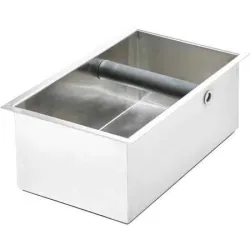
Article number: 486014
A stainless steel container collects spent coffee grounds in a standard GN 1/4 footprint, keeping th..
Is available
12.83€
with VAT: 15.52€
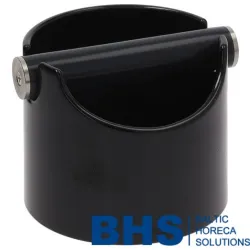
Article number: L8670841
A container designed specifically for collecting used coffee grounds in professional catering kitche..
Is available
21.99€
with VAT: 26.61€
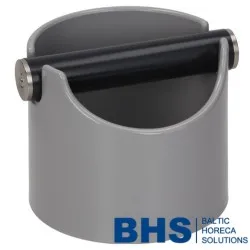
Article number: L6670841
A container designed to hold used coffee grounds in professional catering environments, preventing s..
Is available
21.99€
with VAT: 26.61€
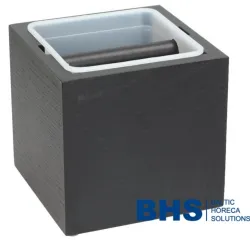
Article number: L4670841
A square container designed to collect used coffee grounds in professional kitchens and coffee stati..
Is available
26.99€
with VAT: 32.66€
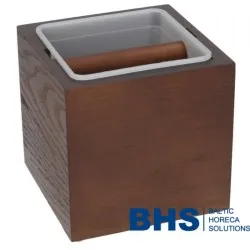
Article number: L3670841
A wooden container designed to hold used coffee grounds, keeping worktops organised and free from sp..
Is available
26.99€
with VAT: 32.66€
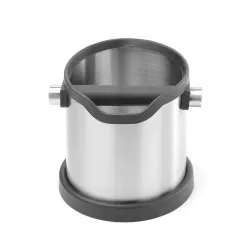
-250x250.webp "Waste lid HENDI 208618")
Article number: 208618
A container designed to collect spent coffee grounds during service keeps the worktop clear and the ..
Is available
32.00€
with VAT: 38.72€
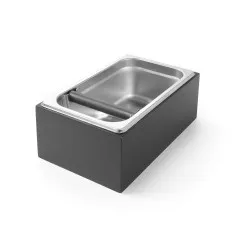
-250x250h.webp "Coffee grounds container HENDI 208380")
Article number: 208380
A coffee grounds container collects spent coffee grounds directly beneath the grinder or espresso ma..
Is available
32.50€
with VAT: 39.33€
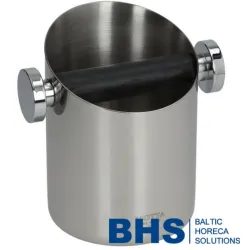
Article number: L3610801
A stainless steel container collects used coffee grounds directly from the grinder or espresso machi..
Is available
43.00€
with VAT: 52.03€
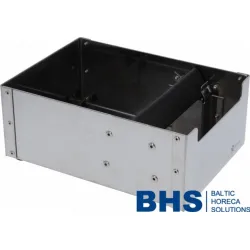
Article number: L8672905
A container designed to collect spent coffee grounds between brewing and disposal, keeping worktops ..
Is available
67.28€
with VAT: 81.41€
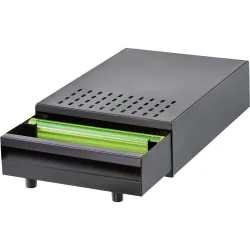
Article number: L486017
A knock-out drawer collects spent coffee grounds from a grinder's chute, keeping the worktop clear a..
Is available
69.99€
with VAT: 84.69€
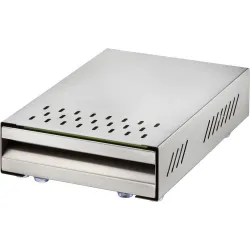
Article number: L486018
A knock-out drawer collects spent coffee grounds from the grinder chute, keeping the worktop clear a..
Is available
79.99€
with VAT: 96.79€
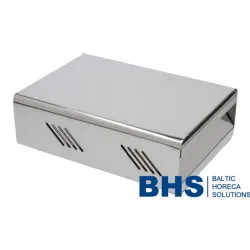
Article number: L0720801
A dedicated container collects spent coffee grounds directly beneath the grinder or espresso machine..
Is available
129.00€
with VAT: 156.09€
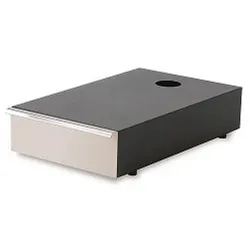
Article number: 0D000010
A tray designed to catch spent coffee grounds directly from office coffee machines keeps work surfac..
Is available
180.00€
with VAT: 217.80€
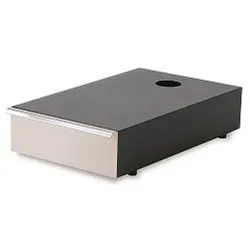
Article number: 0D000000
A stainless steel tray designed to collect used coffee grounds beneath mini espresso machines. The t..
Is available
199.00€
with VAT: 240.79€
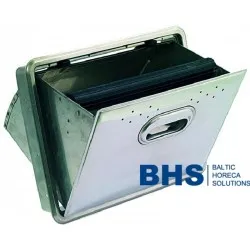
Article number: L1000803
A container designed to collect used coffee grounds in professional kitchens, built without a mounti..
Is available
218.00€
with VAT: 263.78€
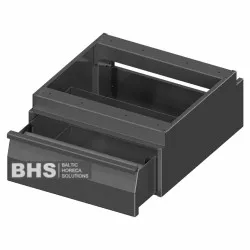
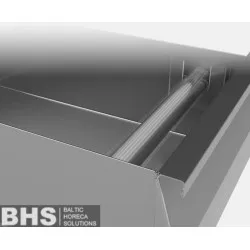
Article number: Z-Y-SKT-36/40/18
A drawer that slides beneath a coffee grinder to collect spent grounds without spilling onto the wor..
Is available
221.00€
with VAT: 267.41€
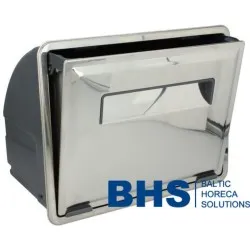
Article number: L0010803
A stainless steel container designed to collect spent coffee grounds beneath an espresso machine or ..
Is available
399.00€
with VAT: 482.79€
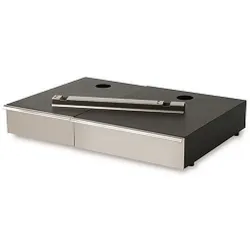
Article number: 0D000020
A tray designed to collect used coffee grounds directly beneath the group head of 2GR espresso machi..
Is available
679.00€
with VAT: 821.59€
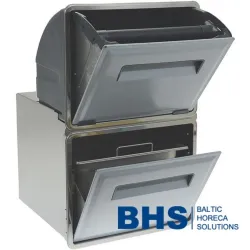
Article number: L1010803
A stainless steel container collects spent coffee grounds directly from the grinder or espresso mach..
Is available
699.00€
with VAT: 845.79€